Clay;
Work
Play
About
Resume ↗
LinkedIn ↗
Overview
McAfee VPN revamp
McAfee's VPN is one of many security tools, often bundled in protection plans. Over time, the tool had fallen behind as updates rolled out to newer products, and was not being maintained by a dedicated team.
To address long-standing pain points and it's outdated MVP, I assisted with early research, feature planning, and end-to-end designs.
assisted with early research, feature planning, contributing new components to our design system, collaborating with inside and outside stakeholders, and built functioning prototypes and demos for leadership shareouts.
Year
Nov—Jan 2024
Role
Product Designer
Team
Susanna Huang
Nina Wang
Jeffrey Jose
Jen Barrell
Senior designer
Product designer
Researcher
Content designer
Context
VPNs are used to mask your location, and keep online activity private
It's like driving a car with tinted windows.
A VPN acts like a digital disguise; it takes your internet request, scrambles it into a secret code, and sends it through a private "tunnel" to a remote server.
Without a VPN on an unsafe network—like public Wi-Fi at a cafe or airport—you are broadcasting your digital activity, allowing anyone else on that same network to intercept and steal your login credentials, credit card numbers, or private messages as they travel between your device and the router.
Name: Clayton Harding
IP Address: 2948JHDD387
UNKNOWN USER
Problem
It's not clear what our VPN does or when to use it. Without seeing immediate value, users stop engaging with the tool
"It's on, but nothing happened, is it doing something?"
VPN is still one of 13 security tools McAfee includes in their protection plans, so
To the general public, VPNs are still relatively unknown tech, so when anyone stumbles into the tool, it's likely their first time interacting with a VPN.
Since this is part of a bigger ecosystem, the time we have to educate, onboard and show immediate value proved to be our biggest challenge we faced.

Research
How did simplicity backfire?
How did simplicity backfire? It's literally an ON/OFF switch.
I conducted a high-level audit to familiarize myself with the tool, documenting personal pain points and then comparing with old user interviews.
No onboarding, no education
We literally don't have it, it's not common language, we need to walk people through it. hard to show value if you don't know what it's doing.
Seeing isn't always believing - is it really "On"?
LOREM
Users don't know when to turn it on - it's just always there.
Is there a reason to turn it off? This makes it feel even more useless.
Hiding complex features upset power users
LOREM
We literally don't even have proper onboarding, after we get your money we ditch you to fend for yourself
Unlike security software that shows what dangers they stopped, VPNs work by making you invisible to threats, making it difficult to show their value.
Over time, we hypothesize users will instinctively turn on their VPN when a connection feels unsafe.

HYPOTHESIS
We need to better communicate how our VPN is protecting the users privacy → contextual to when they use it.
Long term goal, when somebody feels unsafe, we've trained the brain to turn it on.
Unlike security software that shows what dangers they stopped, VPNs work by making you invisible to threats, making it difficult to show their value.
Over time, we hypothesize users will instinctively turn on their VPN when a connection feels unsafe.
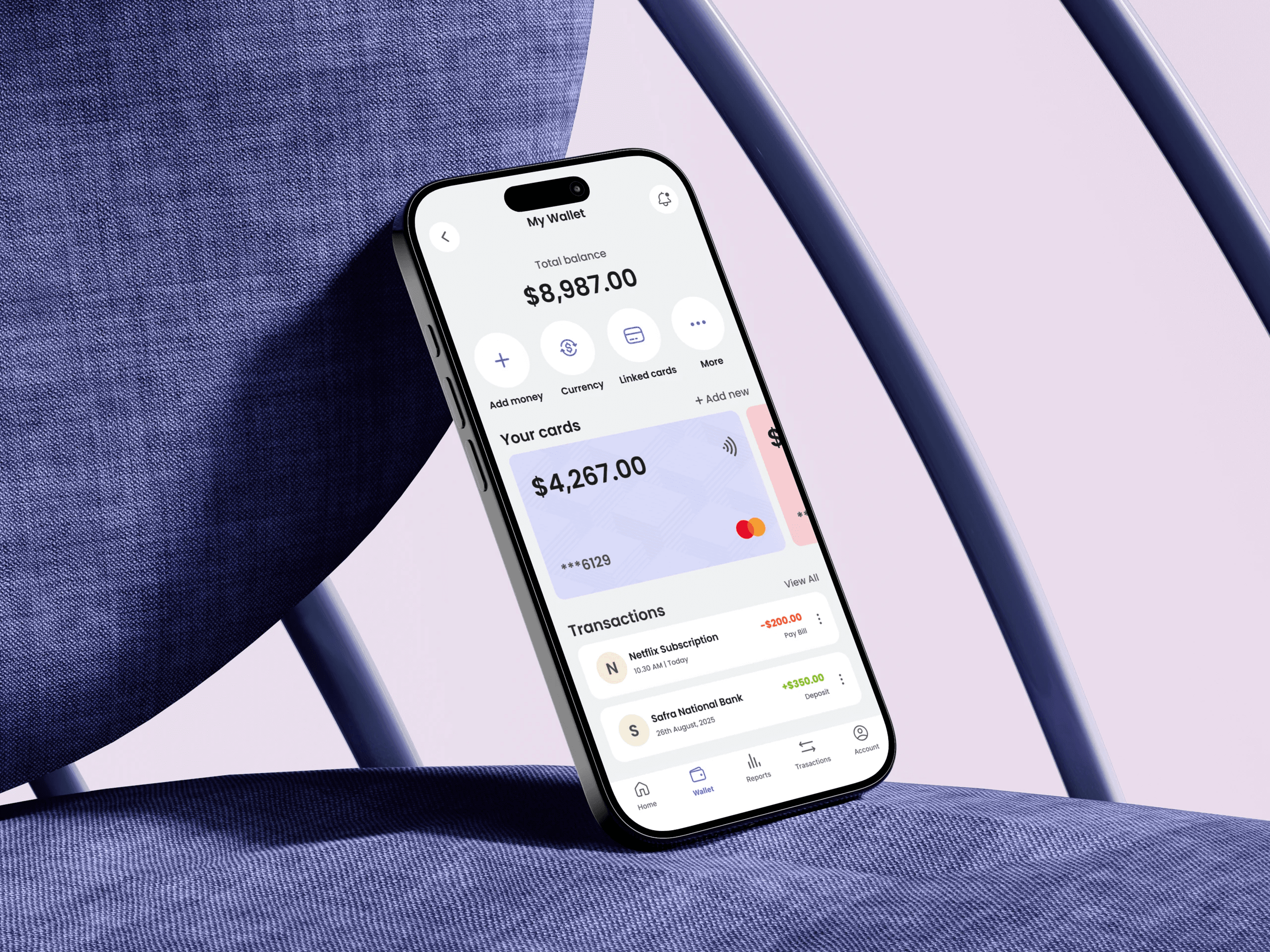
Early designs
First-time users found their VPN confusing
This led to low adoption-rate and lapsing subscriptions
To the general public, VPNs are still relatively unknown tech, so when anyone stumbles into the tool, it's likely their first time interacting with a VPN.
Since this is part of a bigger ecosystem, the time we have to educate, onboard and show immediate value proved to be our biggest challenge we faced.
Lapsing subscriptions
Without a clear purpose, we saw a decline in users renewing their VPN subscription
Old interface needed face lift
The old UI was made for an MVP and is using legacy assets
Lack of product education
We know from the flow that there is a lack of education on what a VPN does, when to use it etc.
Pushing advanced features
The VPN wasn't living to it's full potential taking advantage of the API's it's built from. We saw this as an opportunity to turn these on, so users can personalize what networks are safe.
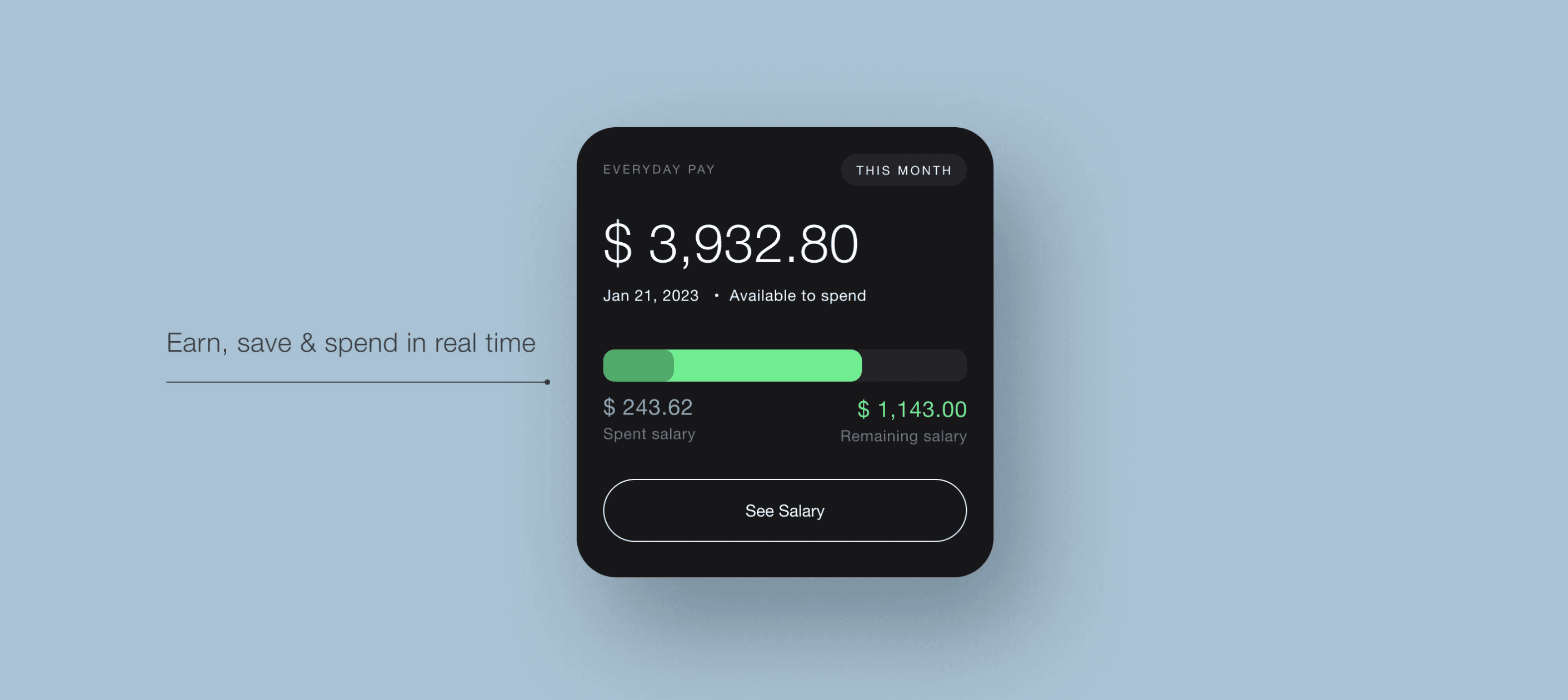
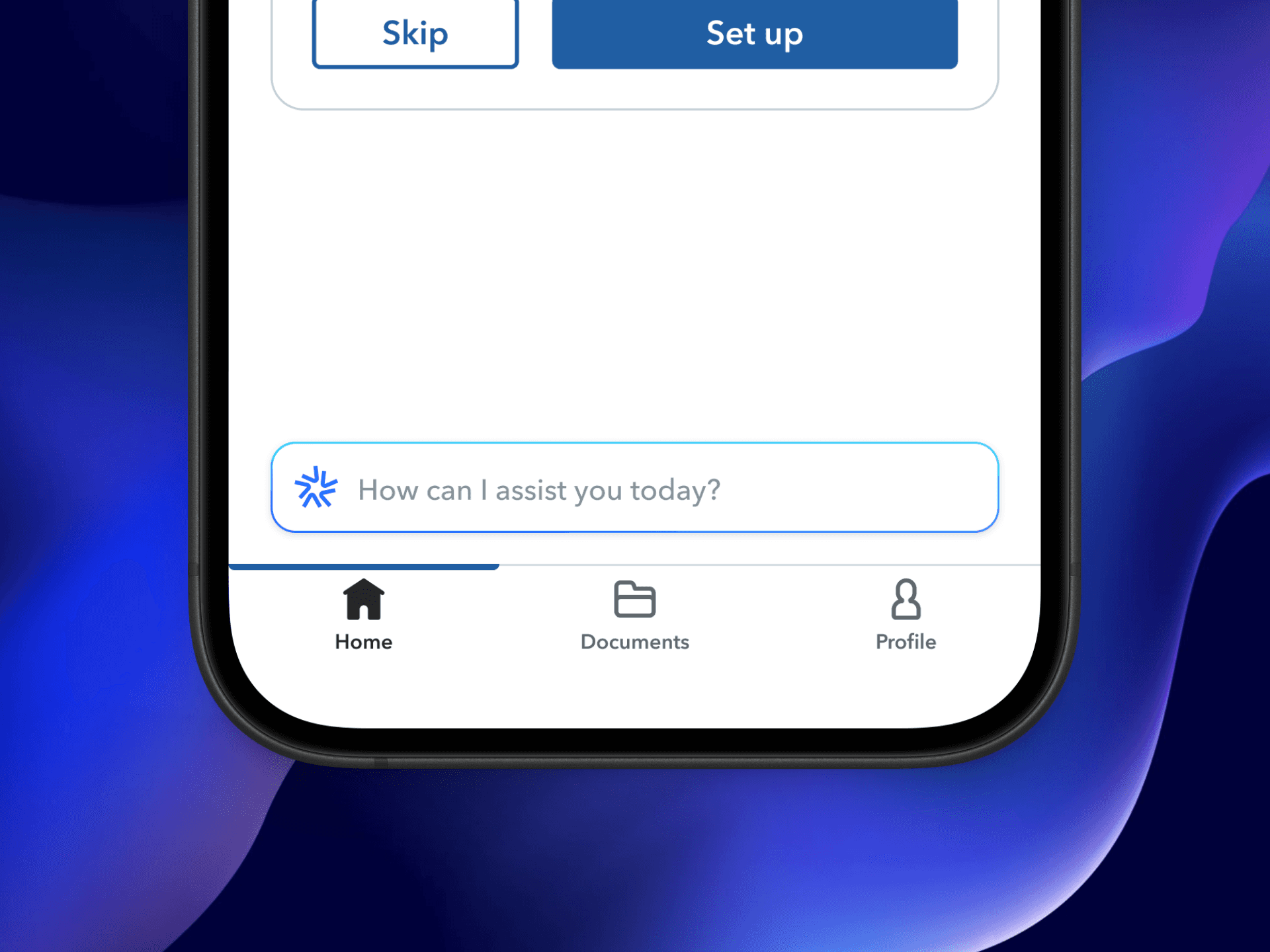
Set up for success with new onboarding
With the new onboarding, the first time a user connects it's a perfect success
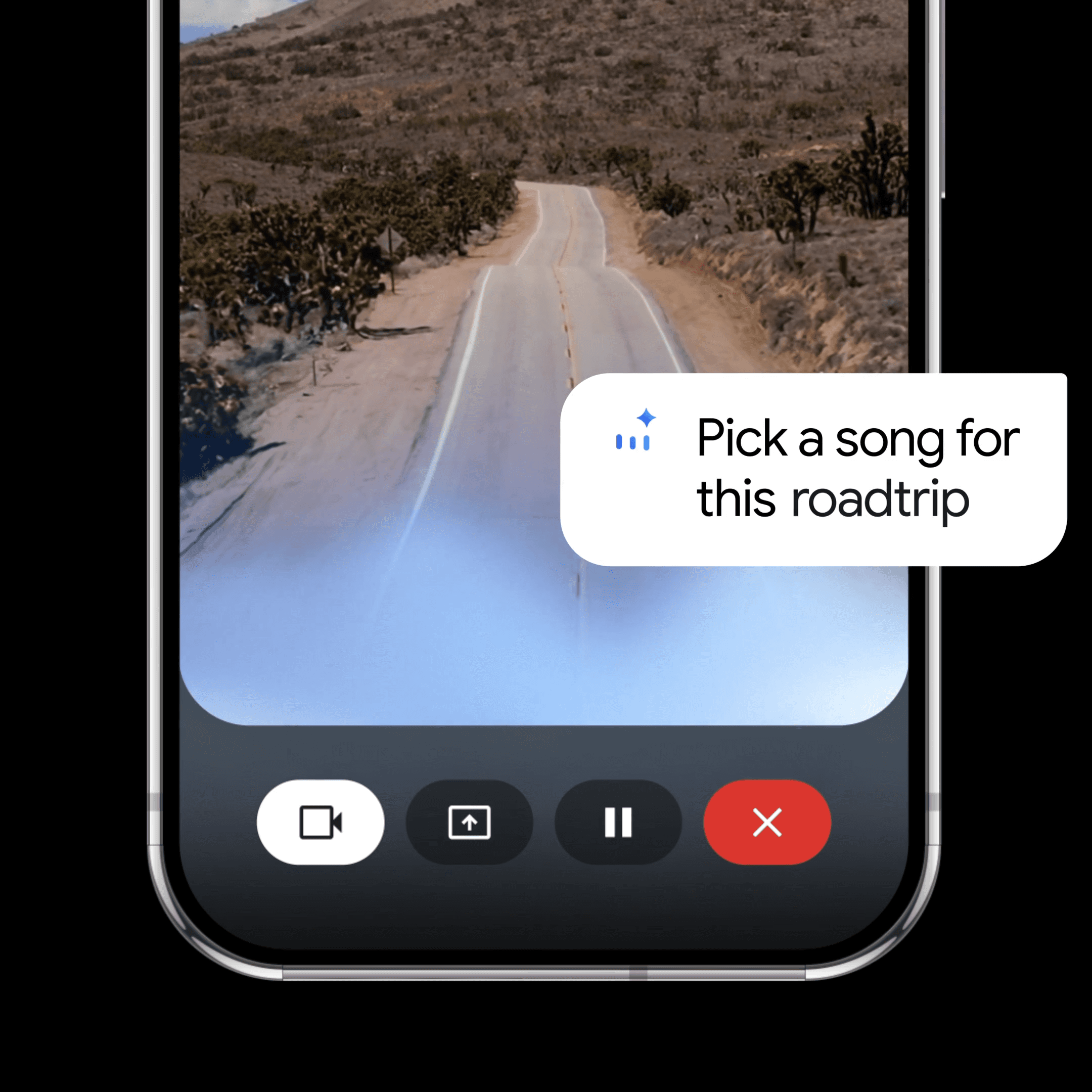
Detecting danger first, and training behavior
Sending notifications the moment we detect unfamiliar wi-fi
Motion makes it feel alive
Before it was just a light switch like an option in settings. But with a little motion it gives a totally different vibe
Lorem ipsum dolor sit amet, consectetur adipiscing elit, sed do eiusmod tempor incididunt ut labore .
1/3
How we tightened up the motion, spotlight the fun features in these sections
Unlike security software that shows what dangers they stopped, VPNs work by making you invisible to threats, making it difficult to show their value. Duis aute irure dolor in reprehenderit in voluptate velit esse cillum dolore eu fugiat nulla pariatur. Excepteur.

1/3
How we tightened up the motion, spotlight the fun features in these sections
Unlike security software that shows what dangers they stopped, VPNs work by making you invisible to threats, making it difficult to show their value. Duis aute irure dolor in reprehenderit in voluptate velit esse cillum dolore eu fugiat nulla pariatur. Excepteur.
1/3
How we tightened up the motion, spotlight the fun features in these sections
Unlike security software that shows what dangers they stopped, VPNs work by making you invisible to threats, making it difficult to show their value. Duis aute irure dolor in reprehenderit in voluptate velit esse cillum dolore eu fugiat nulla pariatur. Excepteur.
REFLECTION
Despite the internal hype, priorities changed and the revamp was shelved. But my learnings shipped.
Everyone hates reading, but they love conversations.
Balancing what we as a business want users to know V.S what a user actually wants to know is a difficult line. This project helped me learn how to use metaphors on boring language into legible content.
Sketching is for starting discussions, not beauty contests.
I typically jump into higher fidelity, but if I need to align a team on layout and abstract concepts, I’m now confident in running a workshop to rapid-fire ideas and align stakeholders from other teams.
© 2025 Clayton Harding
Reading this was a test. You passed ツ